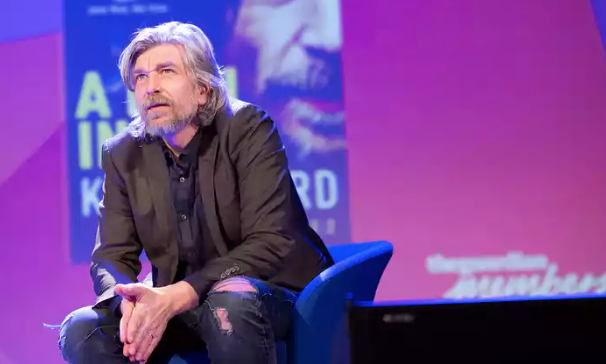
 In his talk with Karl Ove Knausgaard at a Guardian Live Book event earlier this year, interviewer John Mullan elaborates on «the importance of circumstantial detail» in literature – not just in Knausgaard’s autobiographical series of novels, but ever since the inception of the British novel in the 18th century. To conjure up and create presence Knausgaard resorts to details. James Wood, in How Fiction Works, comes to similar conclusions when he analyses Flaubert’s realistic method – or rather: his artificial realism. «Life is amorphously full of detail», he argues, «whereas literature teaches us to notice.» In other words: «Literature makes us better noticers of life; […] which in turn makes us better readers of detail in literature; which in turn makes us better readers of life.»
The key to remembering, for Knausgaard, is to describe the physical world, and by writing about and focusing on the past he finds access to a world that seemed forgotten or lost. This seems to work for his readers as well, or they wouldn’t find his novels addictive. However, the question is: Are there too many – irrelevant or dysfunctional – details? Wood might answer yes, as for him «the artifice lies in the selection of detail.» Or is Knausgaard’s just another (extremist or excessive) form of conventional realism? Can such an abundance of detail achieve what Hemingway – at the other end of the spectrum – tried to bring off by «searching for the unnoticed things that made emotions», purposefully leaving out «the underwater part of the iceberg», as he aptly put it in his Paris Review interview 60 years ago?
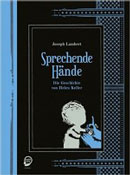 Weit grösser waren die Hindernisse für die Helen Keller (1880–1968), die seit ihrem zweiten Lebensjahr blind und gehörlos war. Nur dank ihrer engagierten Erzieherin und Hauslehrerin Annie Sullivan schaffte sie den Weg aus der Isolation und erlangte mit ihren Büchern Weltruhm. In seiner preisgekrönten Graphic Novel Sprechende Hände zeichnet Joseph Lambert Helens bewegende Geschichte nach und gibt Einblick in die einzigartige Beziehung zwischen Lehrerin und Schülerin.
 Wie viele aufstrebende Autoren träumt der junge Rory Jansen (Bradley Cooper) im Film The Words von einem Leben als Schriftsteller, von Anerkennung und Erfolg. Als sein erster Roman nach drei Jahren harter Arbeit fertig ist, will sich der Erfolg jedoch nicht einstellen. Rory bleibt auf die Unterstützung seines Vaters angewiesen und nimmt schliesslich einen einfachen Job in einem Verlagshaus an. Für seinen Roman bekommt er lauter Absagebriefe. Der Traum von der großen Schriftstellerkarriere droht also zu platzen.

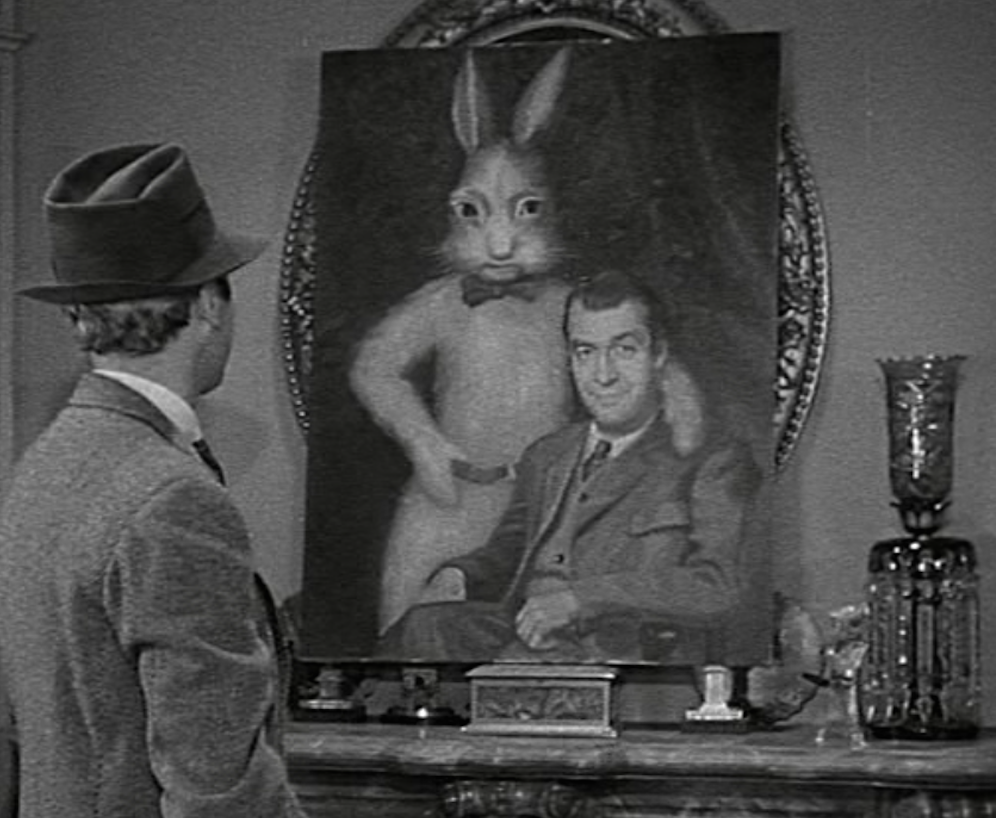


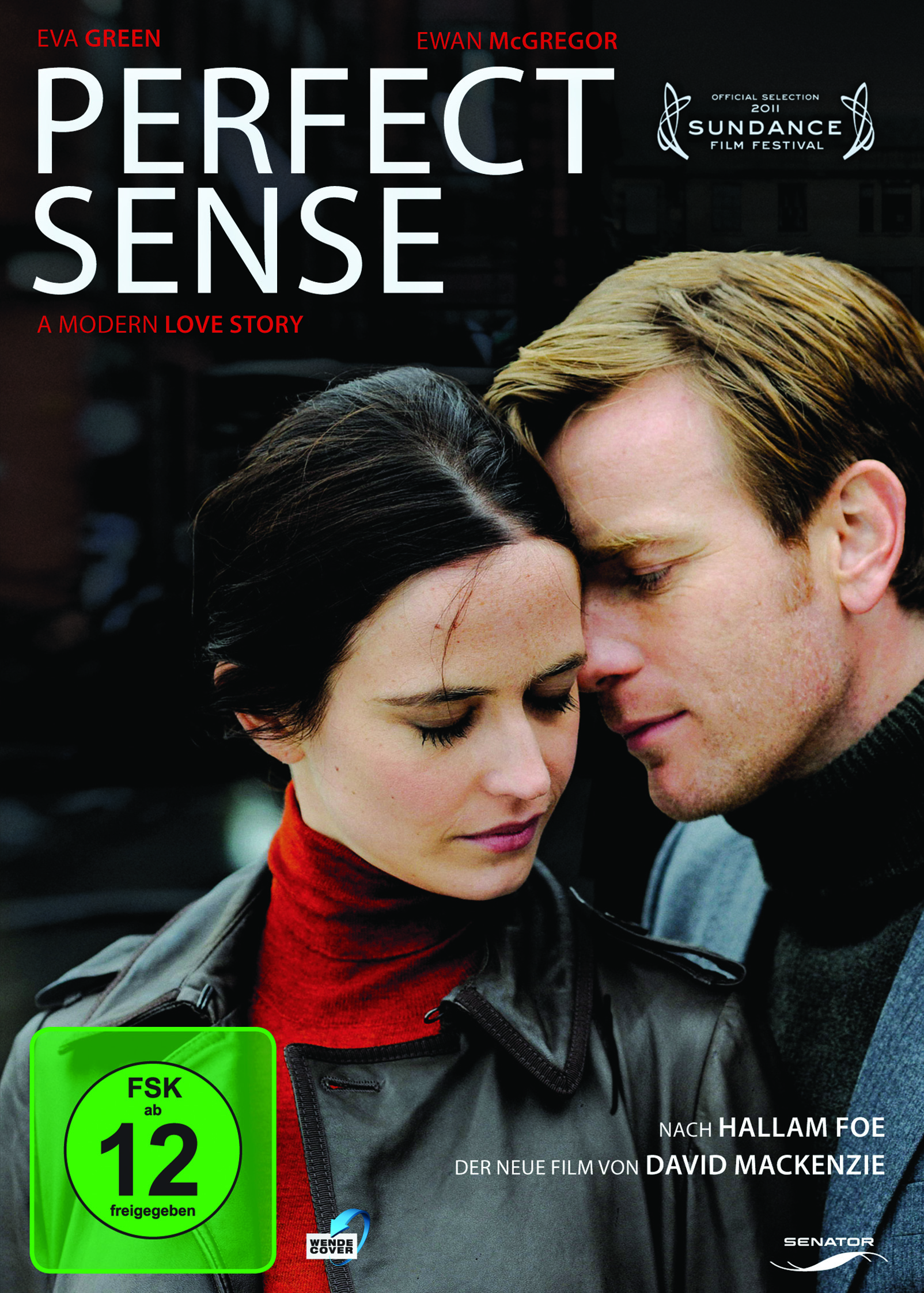
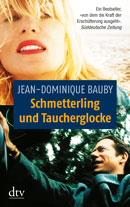
 Unsere Sinne sind ein Tor zur Welt. Wenn sie ausfallen, entschwindet ein Stück Wirklichkeit.