Aus der Rubrik «Bücher schauen fern …»
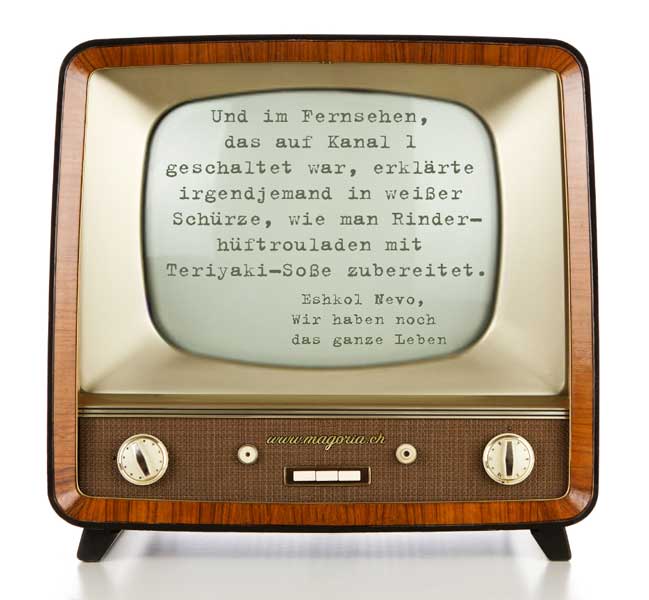
Siehe auch den Mediensplitter «TV-Texte durchgezappt.» ph akzente 3 (2008): S. 52.
Nevo,Eshkol. Wir haben noch das ganze Leben. Aus dem Hebräischen von Markus Lemke. München: dtv, 2010.
Aus der Rubrik «Bücher schauen fern …»
Siehe auch den Mediensplitter «TV-Texte durchgezappt.» ph akzente 3 (2008): S. 52.
Nevo,Eshkol. Wir haben noch das ganze Leben. Aus dem Hebräischen von Markus Lemke. München: dtv, 2010.
Texte zum Thema Aufmerksamkeit:
«Steuerung der Aufmerksamkeit: Wie wir lenken, was wir denken.» ph akzente 3 (2011): S. 4–7.
«Lob der Aufmerksamkeit.» ph akzente 2 (26.5. 2004): S. 30–31.

Der Titel des handlichen und ansprechend gestalteten Taschenbuchs lässt aufhorchen. «Schau mir in die Augen, Kleines» – sagt das nicht Humphrey Bogart zu Ingrid Bergmann in «Casablanca»? In seinem Ratgeber zur Dialoggestaltung entlarvt Oliver Schütte den Satz zwar als Falschzitat, als Mythos, der nie in einem Film aufgetaucht sei. (Nach anderen Quellen entstammt der Ausspruch der ersten, ideologisch verstümmelten Synchronversion des Films.) In der deutschen Fassung von 1975 jedenfalls sagt Bogeys deutsche Stimme (Joachim Kemmer): «Ich seh dir in die Augen, Kleines». Wie dem auch sei: Laut Schütte hat der berühmte Ausspruch genau jene Qualitäten, die einen guten Dialogsatz auszeichnen: «Er ist kurz und prägnant. Und er verweist noch auf etwas anderes als das, was an der Oberfläche sichtbar ist.»
Auch wenn sich Schüttes Lektionen in erster Linie an Drehbuchautorinnen und -autoren richten, profitieren all jene, die sich für das Erzählkino oder Literatur begeistern, deren künstlerische und narrative Qualitäten aufspüren, analysieren und beurteilen wollen. Hierfür sind auch Fragenkataloge, praktische Übungen, Literaturempfehlungen und ein Glossar mit zentralen Begriffen im Anhang von Nutzen. Manches, was der Autor über die Kunst der Dialoggestaltung sagt und anhand einschlägiger Beispiele aus Drehbüchern demonstriert, lässt sich nämlich auf andere Textsorten und Kommunikationssituationen übertragen. Was ist wichtig und wie kann diese Information im Dienste des erzählerischen Bogens verpackt und vermittelt werden? Passen Stil und Diktion zu Sprecher und Inhalt?
Die kurzweilige Lektüre bietet nicht nur einen Einblick ins Handwerk des Drehbuchschreibens, sondern spricht zentrale Aspekte filmerzählerischer Dynamik an und lehrt uns so, besser hinzuhören und gutes Storytelling zu goutieren.
Daniel Ammann
Erschienen in: Akzente 3 (23.8.2016): Online-Ausgabe.
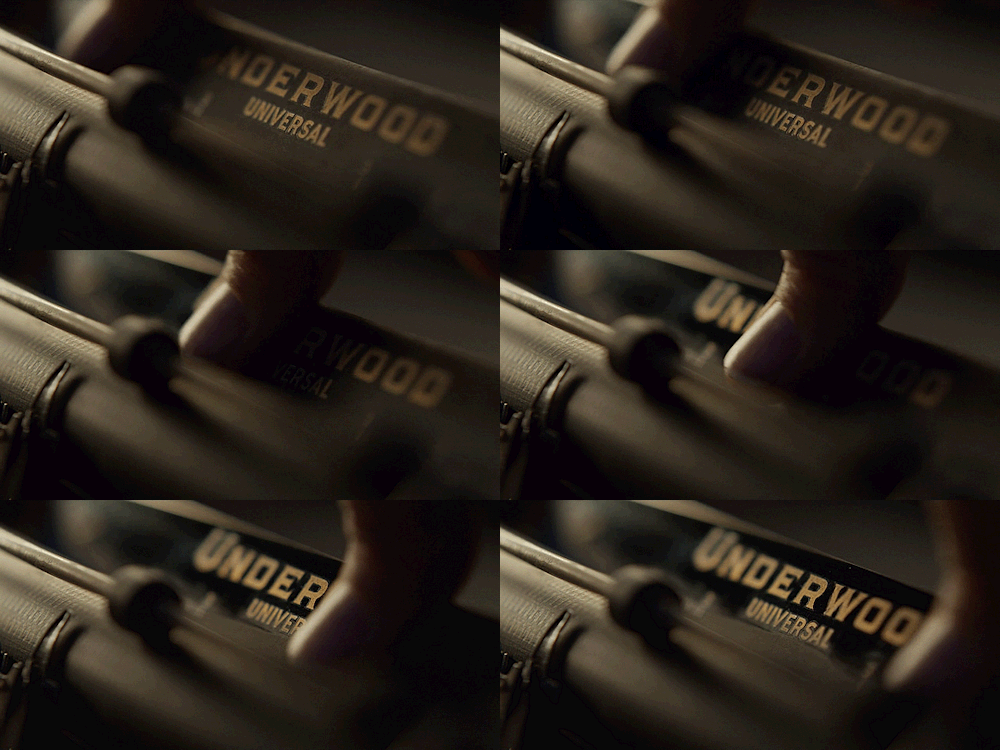
 «On the desktop there was an old manual Underwood with a piece of paper rolled into the carriage, a paragraph arrested in midphrase, and beside the typewriter a neat pile of paper, the uppermost sheet half covered in single-spaced text.»
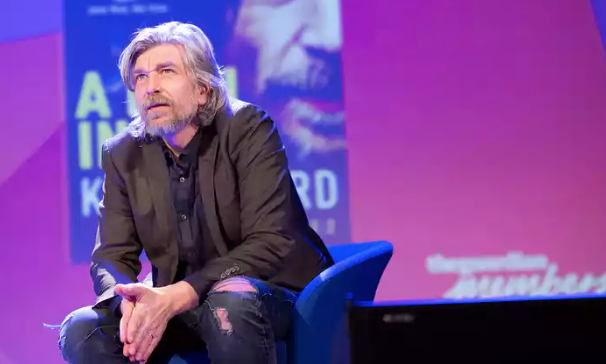
 In his talk with Karl Ove Knausgaard at a Guardian Live Book event earlier this year, interviewer John Mullan elaborates on «the importance of circumstantial detail» in literature – not just in Knausgaard’s autobiographical series of novels, but ever since the inception of the British novel in the 18th century. To conjure up and create presence Knausgaard resorts to details. James Wood, in How Fiction Works, comes to similar conclusions when he analyses Flaubert’s realistic method – or rather: his artificial realism. «Life is amorphously full of detail», he argues, «whereas literature teaches us to notice.» In other words: «Literature makes us better noticers of life; […] which in turn makes us better readers of detail in literature; which in turn makes us better readers of life.»
The key to remembering, for Knausgaard, is to describe the physical world, and by writing about and focusing on the past he finds access to a world that seemed forgotten or lost. This seems to work for his readers as well, or they wouldn’t find his novels addictive. However, the question is: Are there too many – irrelevant or dysfunctional – details? Wood might answer yes, as for him «the artifice lies in the selection of detail.» Or is Knausgaard’s just another (extremist or excessive) form of conventional realism? Can such an abundance of detail achieve what Hemingway – at the other end of the spectrum – tried to bring off by «searching for the unnoticed things that made emotions», purposefully leaving out «the underwater part of the iceberg», as he aptly put it in his Paris Review interview 60 years ago?
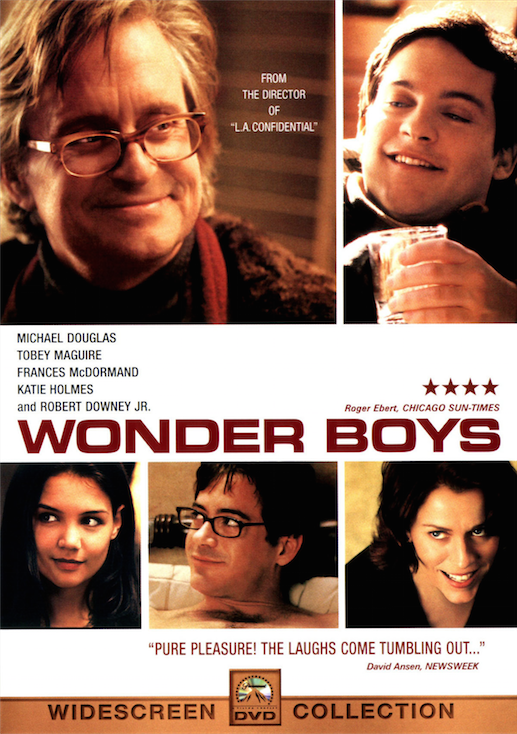
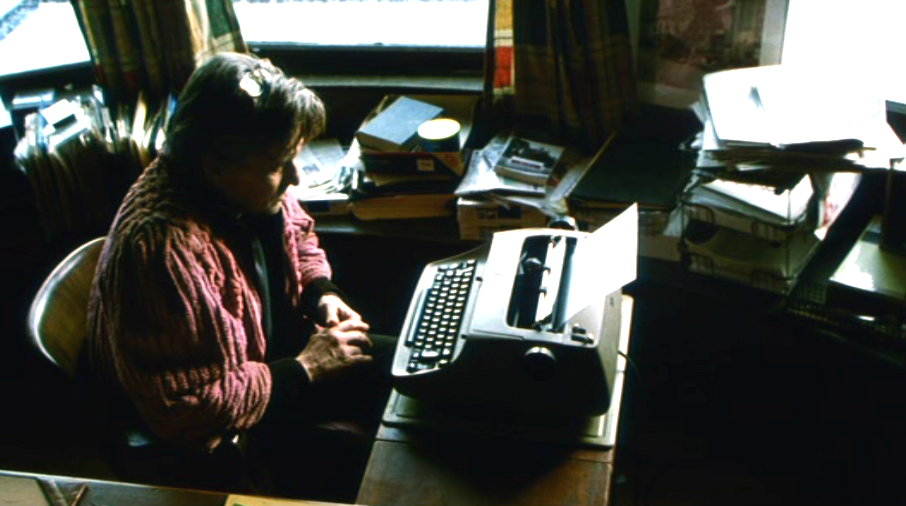 The more I think and write about Michael Chabon’s wonderful novel Wonder Boys and the movie by the same title, the more I feel infected and, for that matter, inflicted by his protagonist’s embarras de richesse – flooded with grandiose ideas, trenchant quotes and highfalutin intentions. «The only part of my world that carried on, inalterable and permanent, was Wonder Boys. I had the depressing thought, certainly not for the first time, that my novel might well survive me unfinished», says I-Narrator Grady Tripp.
But unlike him I am determined to gain the upper hand. After all, it is Michael Chabon himself who (supposedly) said: «You need three things to become a successful novelist: talent, luck and discipline. Discipline is the one element of those three things that you can control, and so that is the one that you have to focus on controlling, and you just have to hope and trust in the other two.» And, luckily, I am not working on a novel – this time.
Siehe auch den Beitrag «Verwirrung durch Überfülle».